We value your privacy. We use Cookies to improve your website experience. We also use third-party cookies for marketing purposes.
Cookies are used for ads personalisation. For more info, visit our Privacy Policy.

-
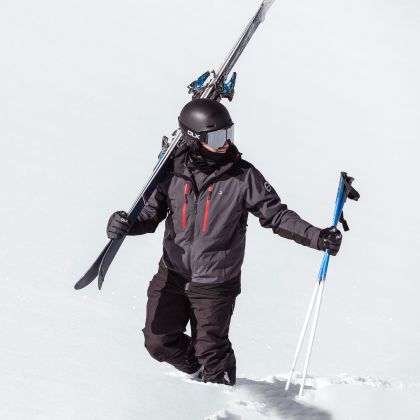 4 colours
 -
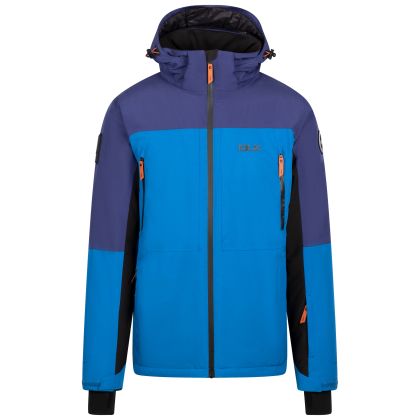 2 colours
 -
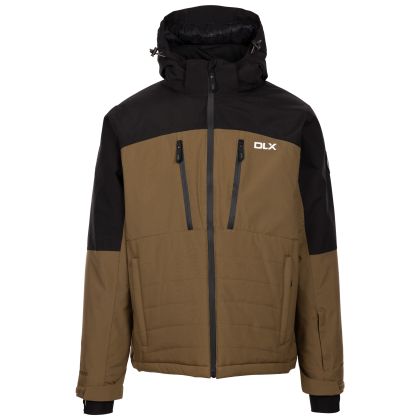 4 colours
 -
 3 colours
 -
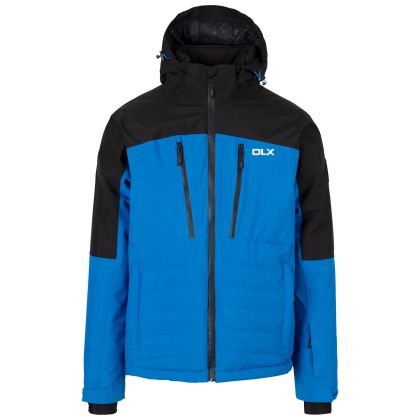 4 colours
 -
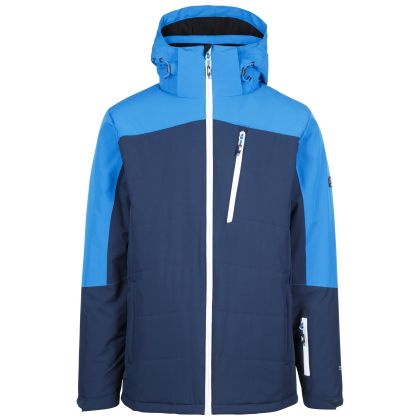 2 colours
 -
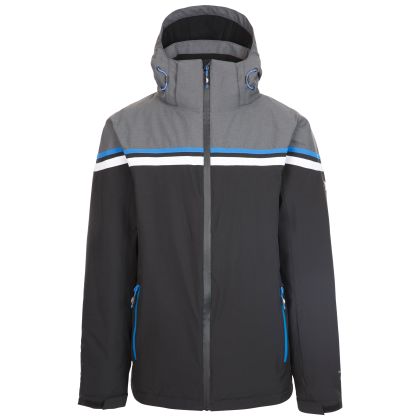 2 colours
 -
 2 colours
 -
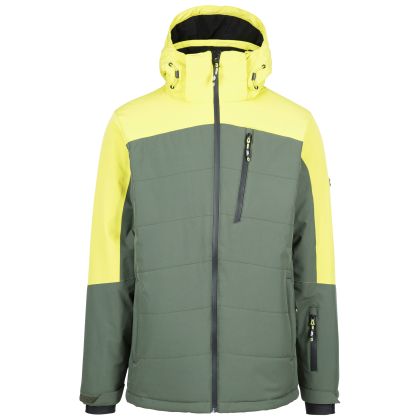 2 colours


Guide to Buying Mens Ski Jackets
Gear up for the slopes with Trespass men’s ski jackets, crafted to keep you warm, dry, and protected in challenging mountain weather. Built for skiing, snowboarding, and all mountain skiing, these jackets balance warmth, breathability, and movement so you stay comfortable from the first run to your last escape into fresh powder. Whether you are cruising the piste or spending the day at the resort, each ski jacket is designed to enhance comfort and performance in cold and frigid conditions.
Constructed from durable outer fabrics and packed with technical features, our men’s ski jackets deliver reliable waterproof protection, insulation, and mobility. You can choose lightweight warmth with shell styles, go for fully insulated models, or explore versatile 3 in 1 options. Many jackets include essentials such as an adjustable hood, taped seams, a powder skirt, and breathable linings that help keep you dry without overheating. With a wide variety of styles and colors, ranging from classic black and grey to bold shades like blue, red, white, and green, you can explore the Trespass collection with confidence.
To complete your winter gear, explore matching categories including men’s snow pants, snow boots, and gloves, all designed to keep you ready for the slopes, deep snow, and long winter days outdoors.
Different men's ski jackets offer varying levels of warmth, protection, and flexibility for winter activity.
- Insulated ski jackets: Provide built in warmth that performs well in cold resort conditions through heat retaining synthetic fill.
- Shell ski jackets: Use lightweight, waterproof materials that rely on layering for warmth, making them ideal for mixed conditions and active movement.
- Three in one ski jackets: Combine a removable inner layer with a protective outer shell for adaptable comfort across changing weather.
- Synthetic down style jackets: Deliver lightweight warmth with insulation that stays effective in snowy or damp conditions.
- Softshell ski jackets: Offer breathable weather resistance with natural flexibility suited to milder days or high exertion.
This variety of designs gives you reliable options for resort days, cold climates, backcountry terrain, and all round winter use.
Materials and How They Work
High performance men's ski jackets rely on durable materials that balance warmth, protection, and breathability.
- Polyester outer shell: Provides strong resistance to snow, wind, and everyday abrasion on the mountain.
- Tres-Tex membrane: Enhances waterproofing and breathability so you stay dry during active skiing.
- Synthetic insulation: Delivers dependable warmth in cold temperatures while remaining lightweight.
- Airtrap fleece lining: Helps retain heat and improve comfort during prolonged wear.
- PU coatings: Add extra weather resistance to support protection against snow and moisture.
- Taped seams: Help prevent water from entering through stitching for full wet weather reliability.
With these materials working together, men’s ski jackets support warmth, dryness, and comfort during winter activity.
Why Waterproofing and Weather Protection Matter
Ski jackets must manage deep snow, cold wind, and shifting temperatures throughout the day. Strong waterproofing and reliable insulation ensure comfort as conditions change.
- Waterproof ratings: Levels between 10000mm and 20000mm help protect you from steady snowfall and wetter alpine conditions.
- Breathability ratings: Ranges from 10000mvp to 15000mvp allow internal heat and moisture to escape so you stay comfortable during climbs or fast descents.
- Taped seams: Prevent moisture from entering through stitching and help maintain full weather protection.
- Wind resistant shells: Block cold gusts and support warmth on exposed slopes.
This balance of warmth and weather protection helps men’s ski jackets remain dependable in resort, backcountry, and alpine environments.
The right features help enhance comfort, performance, and protection during long days in winter conditions.
- Snow skirts help block powder from entering the jacket during falls or deep snow.
- Lift pass pockets allow fast access at resort entry points without removing gloves.
- Helmet compatible hoods provide full coverage while maintaining visibility and movement.
- Underarm vents release heat during high exertion so you stay comfortable throughout the day.
- Wrist gaiters create a secure seal between gloves and sleeves to prevent snow from entering.
- Water resistant zips add another layer of protection in snowy or slushy environments.
- Adjustable hems and cuffs refine fit and help seal out cold air.
These features work together to support warmth, movement, and all round winter performance.
Matching your jacket to your skiing style ensures a comfortable and productive day on the mountain.
- Beginner and casual skiers: Choose insulated jackets with snow skirts and simple adjustments for dependable warmth and ease of use.
- Resort and piste skiing: Select a waterproof jacket with vents, wrist gaiters, and a helmet compatible hood for all day comfort.
- Freestyle or park use: Look for relaxed fits with extra pockets that support movement and flexibility during active runs.
- Backcountry or touring: Choose lightweight shells with high breathability and strong waterproof performance for climbing and variable terrain.
- Alpine or extreme cold: Insulated jackets with higher waterproof ratings and reinforced protection help manage deeper snow and lower temperatures.
By choosing the design that supports your routine, men’s ski jackets remain comfortable and effective across changing winter conditions.
-
Are men’s ski jackets waterproof?
- Most men’s ski jackets use waterproof membranes and taped seams to block out snow, slush, and moisture during winter activity. Checking the waterproof rating helps you understand how well a jacket will perform in heavy or prolonged snowfall.
-
Are men’s ski jackets warm enough for very cold weather?
- Insulated ski jackets provide strong warmth for freezing temperatures, while shell designs rely on layering to adjust comfort. Looking at insulation type or cold weather ratings helps ensure the jacket suits your conditions.
-
What is the difference between insulated and shell ski jackets?
- Insulated jackets include built in warmth that performs well in colder climates. Shell jackets focus on waterproofing and breathability and are best paired with layers for varied temperatures or active skiing.
-
How should a men’s ski jacket fit?
- A ski jacket should allow full movement while leaving room for base layers or midlayers underneath. The shoulders, hem, and cuffs should sit comfortably without restricting motion during climbs or descents.
